



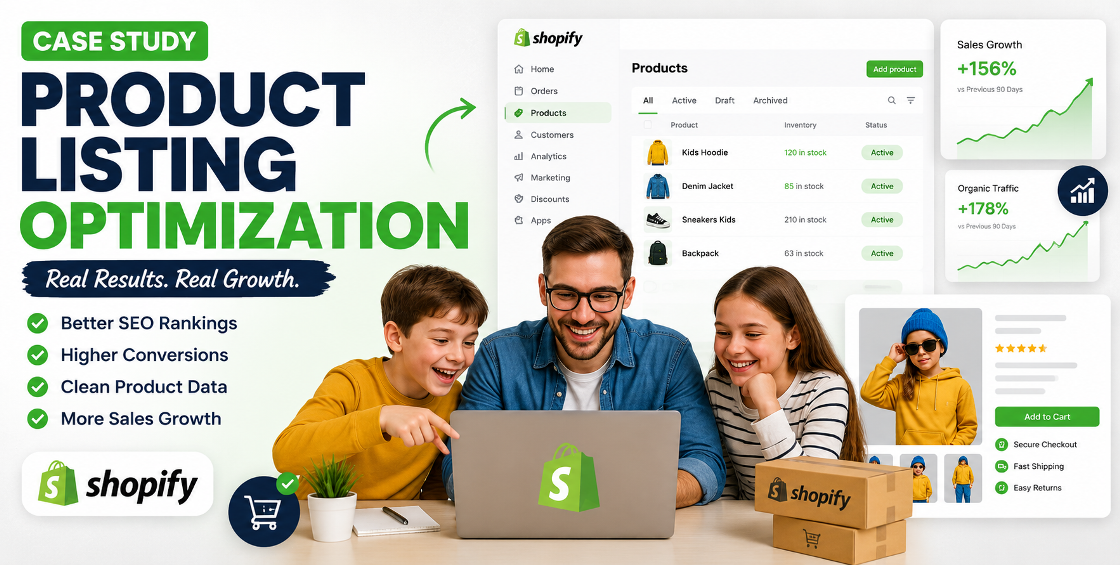
Running a Shopify store isn't just about adding products and waiting for sales to happen. We've worked with businesses across the US, UK, Europe, Australia, New Zealand, and the Gulf region, and one pattern shows up repeatedly: many stores have great products but underperform because their product listings aren't optimized.
We've seen stores with thousands of SKUs imported through CSV files, inconsistent product titles, duplicate variants, missing alt text, broken collections, and incomplete metafields. These issues don't always cause visible errors, but they quietly hurt search rankings, customer experience, and conversion rates.
This case study walks through how product listing optimization transformed a growing Shopify store's performance and highlights practical improvements any ecommerce business can apply.
Our client had a rapidly expanding Shopify catalog with over 4,500 products across multiple collections.
On the surface, everything looked fine.
But sales growth had stalled.
After a complete audit, we found several hidden issues:
None of these issues alone seemed major.
Together, they significantly reduced the store's visibility and shopping experience.
Instead of immediately redesigning the website, we focused on improving the product data itself.
This included every element that customers—and search engines—interact with.
The first task was reviewing every product field.
We corrected:
During large CSV uploads, it's common to discover hidden formatting problems.
For example:
Cleaning this data creates a much stronger foundation before making SEO improvements.
Many products originally had titles like:
Women's Dress Blue XL SKU-3487
Instead, we rewrote them to reflect how real customers search:
Women's Blue Summer Midi Dress – Lightweight Casual Fit
The updated titles:
Supplier descriptions are one of the biggest problems we encounter.
Most ecommerce stores unknowingly publish identical content found on hundreds of competitor websites.
Instead of repeating manufacturer text, we rewrote descriptions using:
Rather than simply listing specifications, each product answered common buyer questions before they had to ask.
Images play a much larger role than many store owners realize.
We optimized:
Instead of generic filenames like:
image001.jpg
We renamed them using descriptive keywords that reflected the product naturally.
Variant management is often overlooked during bulk uploads.
We've seen stores where:
We standardized:
This created a cleaner buying experience while reducing inventory confusion.
Although every business performs differently, the improvements became noticeable within a few months.
The store experienced:
Perhaps the biggest win wasn't just increased traffic—it was a product catalog that became much easier to maintain as the business continued to grow.
Many merchants invest heavily in advertising while ignoring the product information powering their store.
Good product data helps:
Every clean field contributes to a better shopping experience.
Some of the highest-impact work happens behind the scenes.
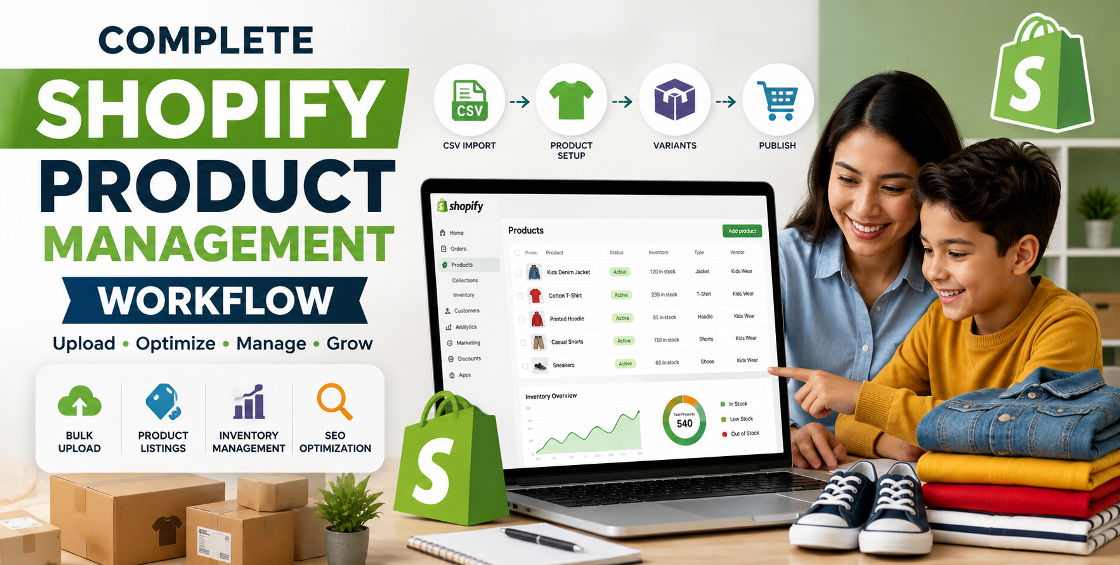
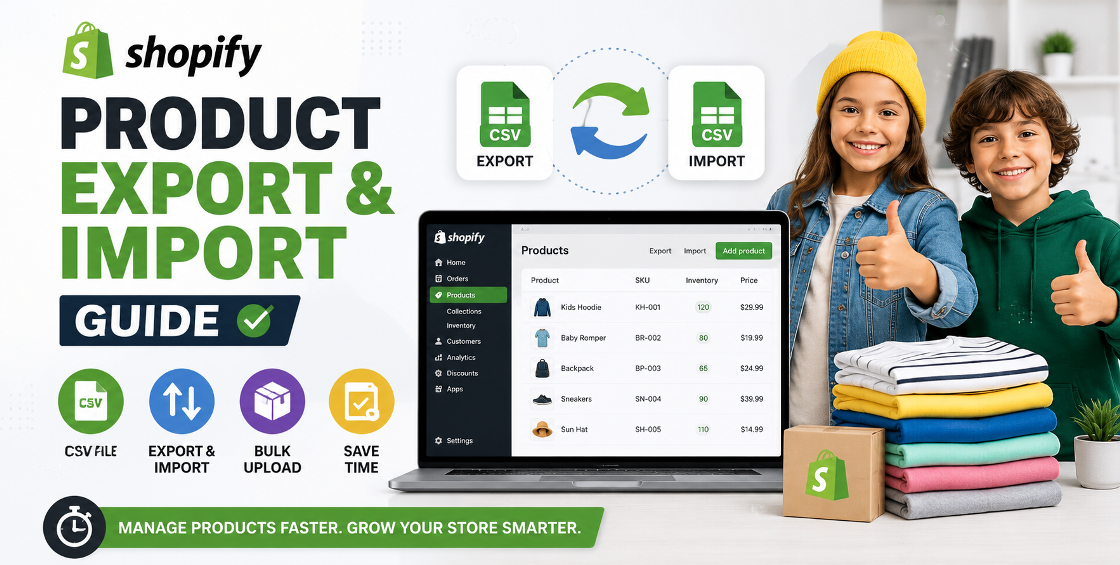
Before importing thousands of products, validating CSV files prevents:
Even a misplaced comma or formatting mismatch can trigger unexpected import issues.
Instead of manually assigning products, we refined automated collection rules.
This reduced ongoing maintenance and ensured new products appeared in the right collections automatically.
Well-structured tags improve:
Inconsistent tagging creates unnecessary complexity as catalogs grow.
Every important product received unique:
These small improvements collectively strengthen organic visibility.
After managing thousands of Shopify product uploads, several patterns consistently appear.
Many ecommerce stores unintentionally make the same mistakes.
Avoid these common issues:
Correcting these issues creates long-term improvements that benefit both SEO and customer experience.
To help visitors explore related services naturally, consider linking this article to:
These internal links strengthen site architecture while guiding readers toward relevant solutions.
Successful ecommerce growth isn't always driven by dramatic redesigns or larger advertising budgets.
In many cases, better product data delivers the biggest long-term return.
This case study demonstrates that improving titles, descriptions, variants, metadata, images, and backend organization can strengthen search visibility, simplify store management, and create a smoother buying experience for customers.
Whether your catalog contains 200 products or 20,000, investing in structured, optimized product listings helps build a store that's easier to manage and better positioned for sustainable growth.


Our Trusted Clients
















Our goal is to help our companies maintain achieve best class positions their respective industries & our team works occur that pleasures have to be repudiated.

Copyright © MyShopifyExpert . All rights reserved.