




If your Shopify store has great products but isn't getting consistent organic traffic, your product pages may be the missing piece.
We've worked with stores that had thousands of products uploaded correctly, beautiful themes, and competitive pricing—yet many of their product pages never appeared on Google's first page. In most cases, the issue wasn't the products themselves. It was how those pages were optimized.
Whether you're managing 50 products or importing 50,000 through CSV files, every product page represents an opportunity to attract buyers who are already searching for exactly what you sell.
In this guide, we'll walk through practical, experience-based strategies for improving Shopify SEO for product pages, avoiding common optimization mistakes, and building product pages that rank well while converting more visitors into customers.
Many ecommerce businesses invest heavily in ads while overlooking organic search.
The advantage of product page SEO is simple: when someone searches for a specific product, they're often much closer to making a purchase than someone reading a general blog post.
Well-optimized Shopify product pages can help you:
Unlike homepage SEO, product page optimization targets high-intent searches where customers already know what they want.
Good SEO starts long before Google indexes your pages.
It begins with clean product data inside Shopify.
After handling thousands of product imports across different industries, one pattern appears repeatedly: stores with organized product information almost always perform better than stores with inconsistent data.
Every product should target one primary search intent.
Instead of writing titles that only contain your internal product names, think like your customers.
For example:
Poor:
Classic Model X100
Better:
Men's Waterproof Hiking Backpack 40L
Your product title should naturally include your primary keyword while remaining easy to read.
One of the biggest SEO mistakes is copying manufacturer descriptions.
Google prefers original content.
Instead of repeating supplier specifications, explain:
Real shoppers appreciate useful information just as much as search engines do.
Keep URLs simple and descriptive.
Good example:
yourstore.com/products/waterproof-hiking-backpack
Avoid unnecessary numbers, symbols, or long keyword-heavy URLs.
Simple URLs are easier for both users and search engines.
Your meta title is often the first thing potential customers see on Google.
A strong title should:
Your meta description should encourage clicks by highlighting the product's benefits rather than simply listing features.
Images are essential for ecommerce, but they also affect SEO.
Before uploading:
Variants often create hidden SEO problems.
We've seen stores accidentally create duplicate content because every color or size variation generated nearly identical information.
A better approach is to:
Good variant management also simplifies inventory tracking and future CSV imports.
Many stores focus only on backlinks while ignoring internal links.
Connect your product pages with:
Collections help Google understand your site structure.
Examples include:
Every collection should naturally link to relevant products.
Educational blogs can drive qualified traffic.
Examples:
Within those articles, naturally link to related products.
Helpful related product sections encourage:
Page speed directly affects both rankings and conversions.
Common performance issues include:
Regular performance reviews can significantly improve both SEO and user experience.
Structured data helps search engines better understand your products.
It can display:
These rich results often improve click-through rates even without ranking higher.
Many Shopify themes include basic structured data, but it's worth checking for accuracy after installing apps or making theme changes.
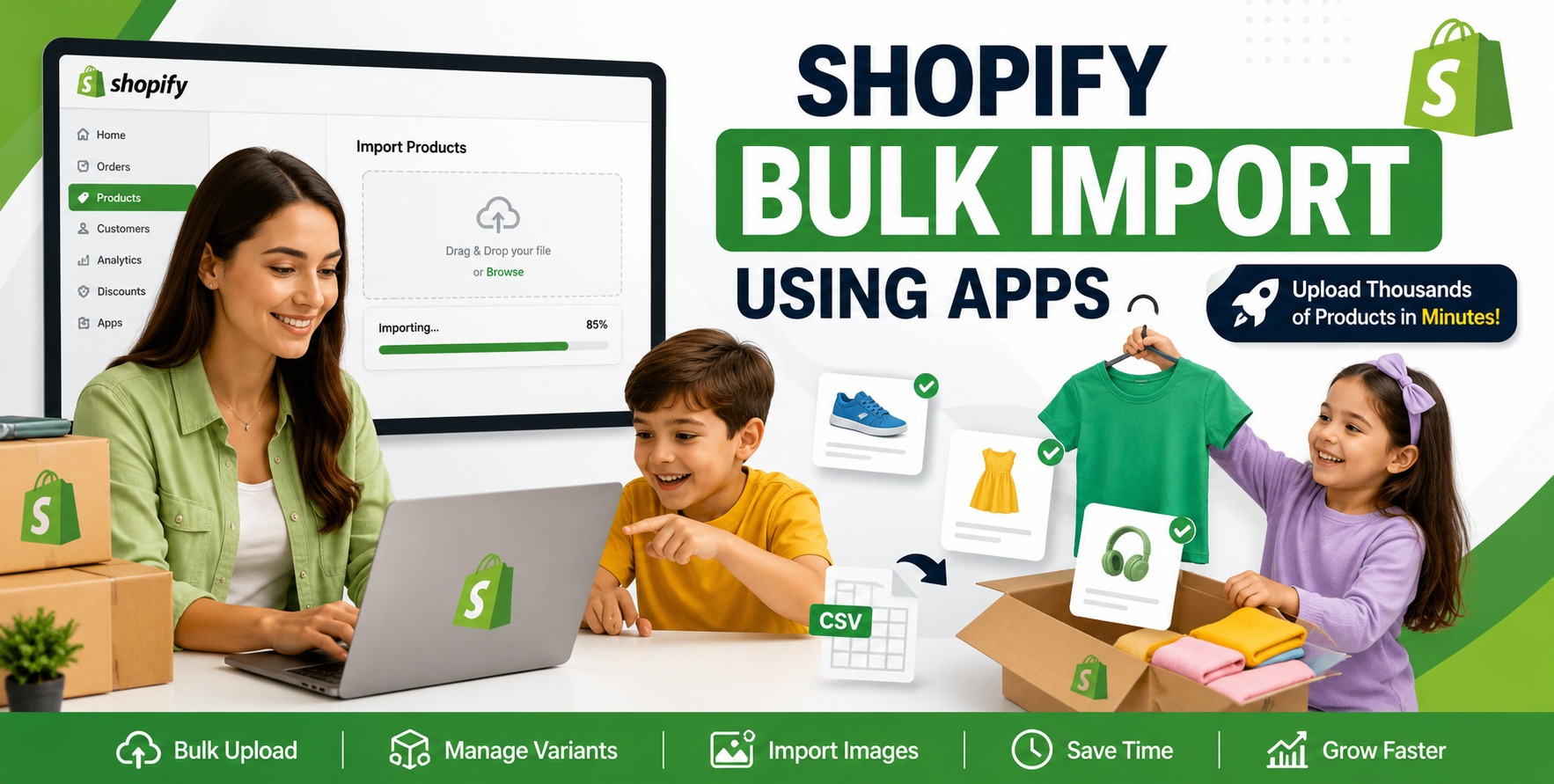
Working with bulk product uploads reveals challenges that many SEO articles overlook.
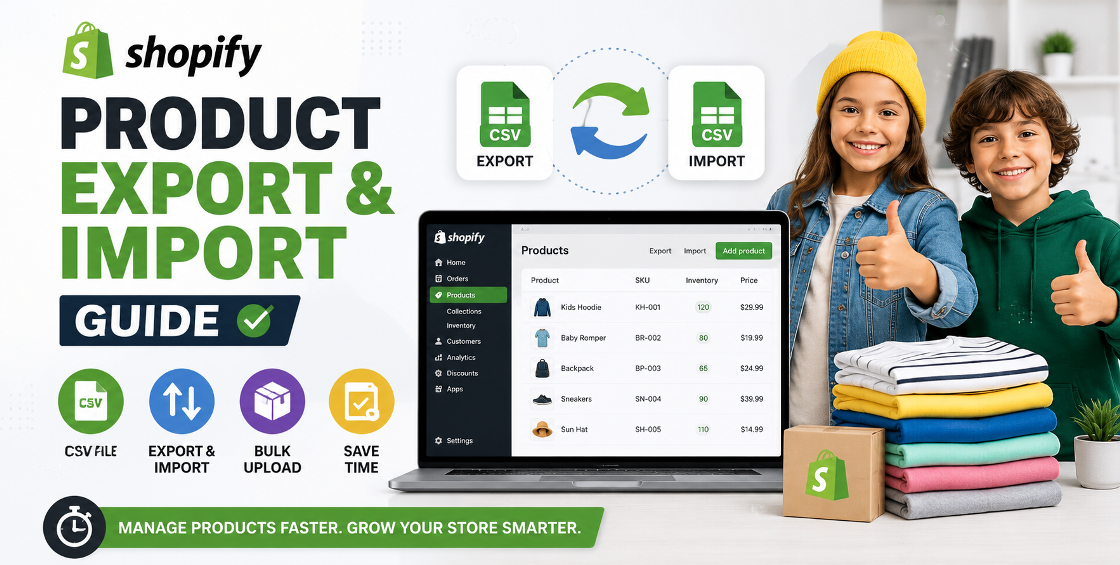
One recurring issue is inconsistent CSV formatting.
For example:
These problems don't just slow imports—they can create duplicate pages, indexing issues, and poor user experiences.
Another overlooked factor is maintaining SEO consistency during large catalog updates. Businesses often refresh inventory without preserving optimized titles or descriptions, unintentionally erasing months of SEO progress.
Creating standardized templates before bulk uploads helps maintain quality while saving countless hours later.
Avoid these frequent issues:
Unique content consistently performs better.
Large images slow down stores and reduce performance.
Write naturally for people first.
A few generic sentences rarely provide enough value.
Products shouldn't exist in isolation.
Every important product image should include descriptive alternative text.
Titles should clearly describe the product while matching customer search intent.
Most ecommerce traffic now comes from mobile devices, making responsive design essential.
Strong product page SEO isn't about tricks or shortcuts.
It's about creating pages that genuinely help customers make informed buying decisions while giving search engines clear, organized information.
Small improvements—better titles, original descriptions, optimized images, cleaner URLs, and thoughtful internal linking—can compound into meaningful long-term organic growth.
Whether you're launching a new Shopify store or managing an established catalog with thousands of products, investing in product page optimization pays dividends long after the work is complete.

Our Trusted Clients
















Our goal is to help our companies maintain achieve best class positions their respective industries & our team works occur that pleasures have to be repudiated.

Copyright © MyShopifyExpert . All rights reserved.